Preview Figma
Year
2018
Client
Simply Sales
Project Overview
Zuki is a purpose-built CRM platform designed specifically for manufacturing businesses, where sales cycles, customer relationships, and operational workflows are significantly more complex than traditional B2B or SaaS environments.
Unlike generic CRMs, Zuki was designed to integrate seamlessly into manufacturing ecosystems—connecting sales, customer management, payments, and operational context into a single, unified system.

The Challenge
Manufacturing organizations struggle with long and non-linear sales cycles, multiple stakeholders per deal, heavy reliance on quotations and payments, and fragmented data spread across ERPs, spreadsheets, and generic CRMs. Existing CRM tools require heavy customization yet still fail to align with manufacturing workflows, resulting in poor visibility, low adoption, inefficiencies, and inconsistent customer experiences.
Goals & Objectives
The business goals focused on improving pipeline visibility, enabling data-driven decisions, increasing CRM adoption across teams, and supporting scalability through integrations. User goals centered on reducing context switching, accessing complete customer information quickly, minimizing missed follow-ups, and gaining clear insights into performance, revenue, and deal health.
User Research & Discovery
Extensive research was conducted through stakeholder interviews with manufacturing business owners, sales managers, executives, and support teams to understand real-world workflows and constraints. Insights revealed that sales decisions are rarely linear, contextual history matters more than raw metrics, and teams need clarity and prioritization rather than feature-heavy complexity.
Solution Overview
Zuki was designed as a modular CRM that supports the complete customer lifecycle—from lead to deal, quotation, payment, and long-term relationship management. The platform balances operational depth with usability, providing real-time insights while remaining intuitive enough for daily use by sales and operations teams.
Key Features & UX Decisions
1. Sales Pipeline Visualization
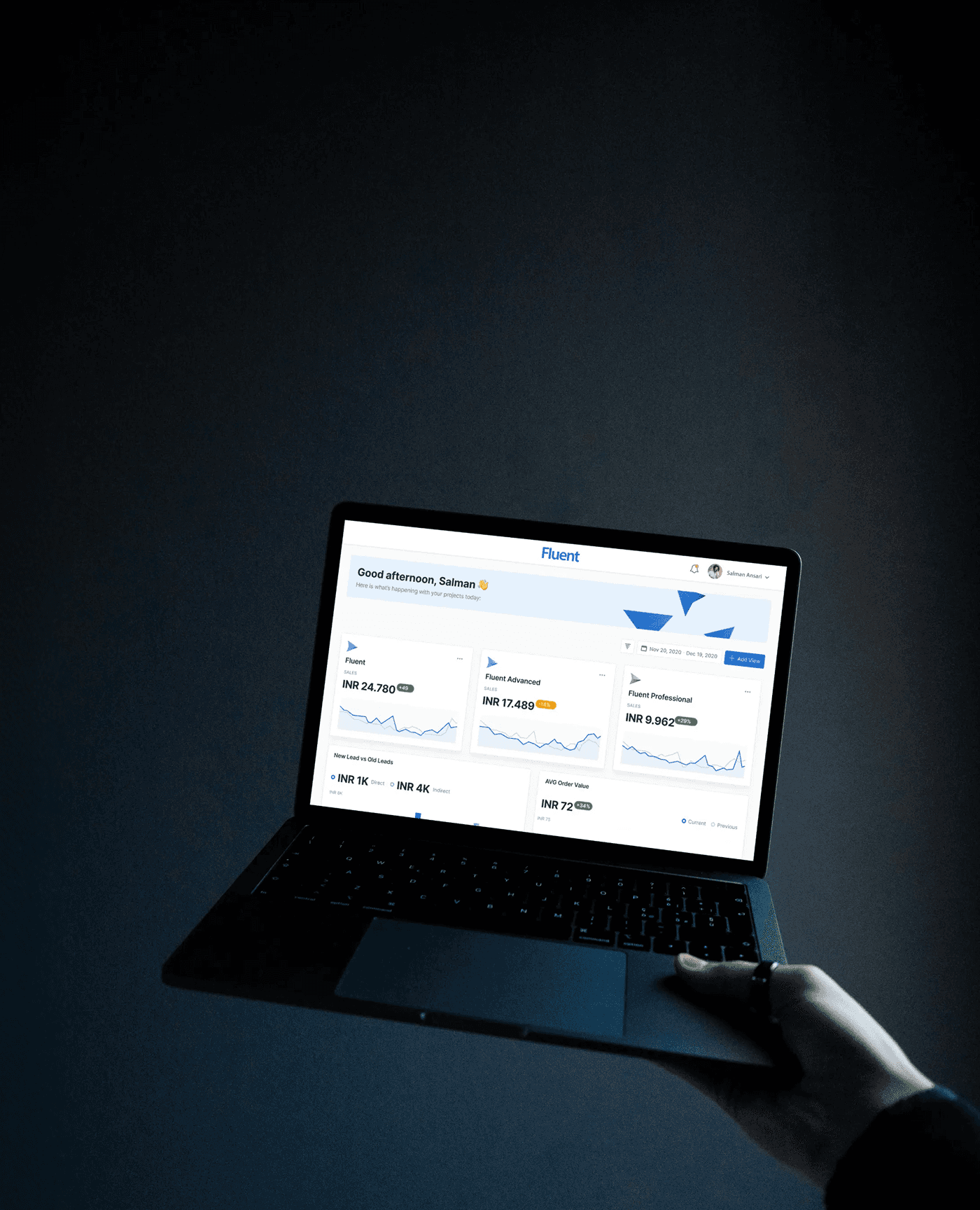
Zuki provides a clear, visual sales pipeline that allows teams to view all deals at a glance, prioritize high-value or high-probability opportunities, and identify stalled or at-risk deals early. This visibility is critical in manufacturing environments where sales cycles are long and require constant monitoring.
2. Marketing Channel Insights
The platform delivers real-time insights into lead sources and campaign performance, with filters by channel, time, and deal value. This helps manufacturing teams invest in marketing channels that actually convert rather than relying on surface-level activity metrics.
3. Sales Team Performance Tracking
Zuki enables performance tracking through meaningful metrics such as deal closing time, average deal size, and conversion rates, with views at both team and individual levels. This allows managers to evaluate efficiency and outcomes instead of focusing solely on activity volume.
4. Unified Customer Relationship Management
All customer-related information—follow-ups, quotations, payments, and communication history—is accessible from a single screen. This unified view reduces context switching and enables more informed, higher-quality customer interactions.
5. Activity Management with Context
Tasks, reminders, and follow-ups are directly tied to specific leads or deals, ensuring users always have full context while taking action. This design choice prevents missed steps and improves reliability across complex, multi-touch sales cycles.
6. Payment Follow-Ups & Reminders
Zuki integrates payment tracking directly into deal workflows, with automated reminders and clear payment status visibility. This addresses a critical gap in most CRMs, where payment follow-ups are often handled outside the system despite being essential in manufacturing sales.
7. Unified Communication & Collaboration
The platform centralizes communication logs and makes them visible across teams, improving collaboration and reducing dependency on scattered emails or personal notes. This shared visibility accelerates decision-making and deal closure.
8. Customizable Dashboards & Filters
Role-based dashboards and customizable filters allow teams to tailor the CRM to their specific workflows. This flexibility is essential in manufacturing environments, where processes vary widely across industries and organizations.
9. Real-Time Updates & Notifications
Zuki provides real-time updates for status changes, task reminders, and payment alerts, enabling proactive sales and operational management. Timely notifications help teams stay ahead of issues rather than reacting late in the sales cycle.
10. Mobile Accessibility
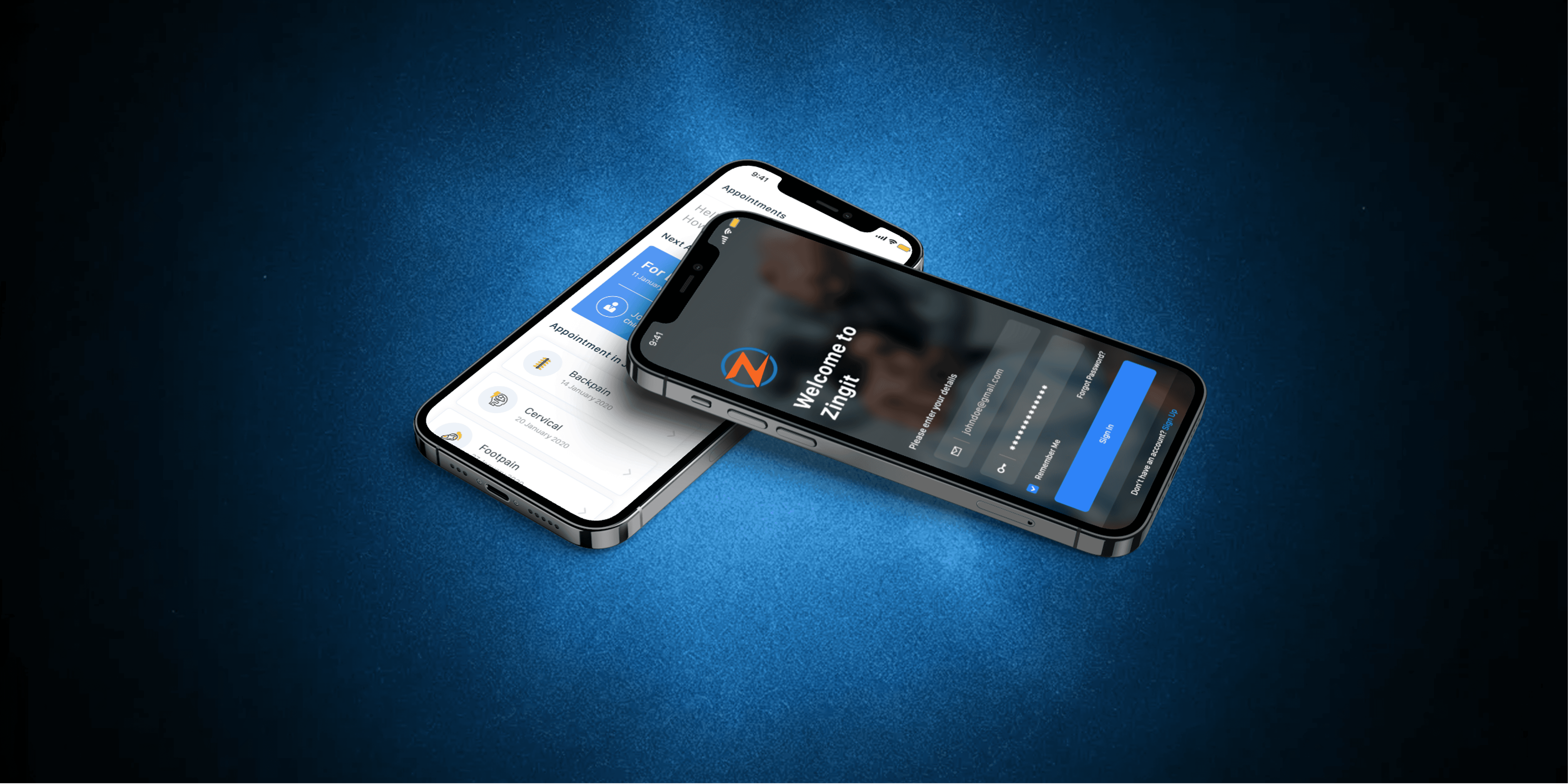
The CRM is optimized for mobile use, allowing sales teams to access critical customer and deal information on the go. This supports field-based work and ensures continuity beyond office environments.
Design Approach
A user-centered design process guided the project, with continuous stakeholder workshops, iterative validation, and usability testing. Wireframes and interactive prototypes were used to clarify workflows early, while the visual design focused on professional clarity, high data density without clutter, and responsive behavior across devices.
Zuki was designed with an API-first architecture, making it ready for integration with ERP systems, supply chain tools, and other manufacturing software. This ensured scalability and long-term adaptability within complex enterprise ecosystems.
Challenges & Trade-offs
Key challenges included integrating with legacy systems, supporting highly diverse manufacturing workflows, and overcoming resistance to change in enterprise environments. These were addressed through modular design, customizable interfaces, familiar interaction patterns, and thoughtful onboarding support.
Interaction Design and UX Decisions
Key interaction decisions included separating “view” and “action” zones to reduce cognitive load, introducing contextual toolbars for faster task discovery, standardizing forms and tables using Atlassian foundations, improving readability through modern spacing and typography tokens, and adding micro-interactions for alerts, reminders, and submissions—especially in the mobile app.

Outcomes & Impact
Zuki improved visibility into sales pipelines and customer data, reduced operational inefficiencies, and achieved higher adoption across teams. Users responded positively to the platform’s usability, flexibility, and relevance to real manufacturing workflows, enabling more confident and data-driven decision-making.
Reflection
Designing Zuki reinforced the importance of domain-specific UX in enterprise products. By deeply understanding manufacturing workflows, I was able to translate operational complexity into intuitive experiences, demonstrating the ability to design scalable, high-impact systems that go beyond generic CRM solutions.